
Disordered eating can make food, movement, weight, or body image take up more mental space than you want them to. You may follow rigid food rules, skip meals, feel guilty after eating, frequently diet, avoid certain foods, exercise to compensate for eating, or feel preoccupied with your body.
These patterns may not fit neatly into a specific eating disorder diagnosis, but that doesn’t mean they aren’t affecting you. Disordered eating can still create significant distress and interfere with your health, relationships, social life, and ability to feel present in everyday experiences.
You don’t need to wait until your relationship with food becomes more severe or prove that you’re “sick enough” before seeking support. Therapy can help you understand what is maintaining these patterns, reduce guilt and rigidity, and build a more flexible relationship with food, movement, and your body.
Disordered Eating

What this can look like
Feeling Like You Need to “Make Up For” What You Ate
After eating, you may feel guilty, anxious, or like you need to somehow undo it. You might skip your next meal, eat less later, exercise to compensate, purge, or use other behaviors to try to feel better about what you ate.
Your Body Taking Up More Space Than You Want
You may spend more time than you’d like thinking about your weight, shape, or appearance. This can look like checking your body, comparing yourself to other people, avoiding photos or certain clothes, or feeling like you need to change your body before you can feel comfortable or confident.
Food Taking Up a Lot of Mental Space
You may find yourself constantly thinking ahead about what you’ll eat, replaying what you already ate, calculating whether you ate “too much,” or worrying about how one meal will affect the rest of your day. Even when no one else notices, food can start taking up an exhausting amount of your attention.
Feeling Out of Control Around Food
There may be times when eating feels hard to slow down or stop. You might eat past fullness, feel like you can’t trust yourself around certain foods, or find yourself eating differently when you’re alone than you do around other people.
Eating Less or Cutting Things Out
You may skip meals, put off eating, eat less than you’re hungry for, or start cutting out certain foods or food groups. What begins as trying to “eat healthier” or be more mindful of food can sometimes turn into increasingly rigid rules about what, when, or how much you’re allowed to eat.
Having a Lot of Rules Around Food
Food may start to feel less flexible and more like something you have to get “right.” You might label foods as good or bad, feel guilty for eating certain things, believe you need to earn your food, follow rules about when you can eat, or plan eating and exercise around one another.
Disordered eating differs from eating disorders in terms of severity, frequency, and the impact on daily functioning. Disordered eating behaviors might be sporadic or less severe, while eating disorders involve persistent, severe, and clinically significant disturbances in eating patterns, thoughts, and behaviors, often leading to physical or psychological complications. However, disordered eating should not be taken lightly, as it can progress to a potentially deadly eating disorder.
When Disordered Eating Starts to Become More Serious
Patterns Becoming More Frequent or Rigid
What starts as an occasional rule, skipped meal, diet, or way of compensating for eating can gradually become harder to let go of. Over time, you may notice more rules developing or feel increasingly anxious when you can’t follow them.
Outside Messages Reinforcing the Cycle
Diet culture, social media, sports, family messages, and cultural expectations around food, health, weight, and appearance can reinforce disordered eating sometimes making harmful patterns look “healthy,” disciplined, or normal.
Relying on Food or Eating Behaviors to Cope
Restricting, binge eating, exercising, or focusing on food and your body can sometimes become ways of managing difficult emotions, stress, uncertainty, or feeling out of control. The more these patterns become a way of coping, the harder they can be to change.
Food and Body Beliefs Becoming Harder to Question
Ideas about what you “should” eat, what your body should look like, or what your weight says about you can become increasingly convincing. You may notice more guilt around food, stronger fears about changing your eating, or more of your self-worth becoming tied to your body.
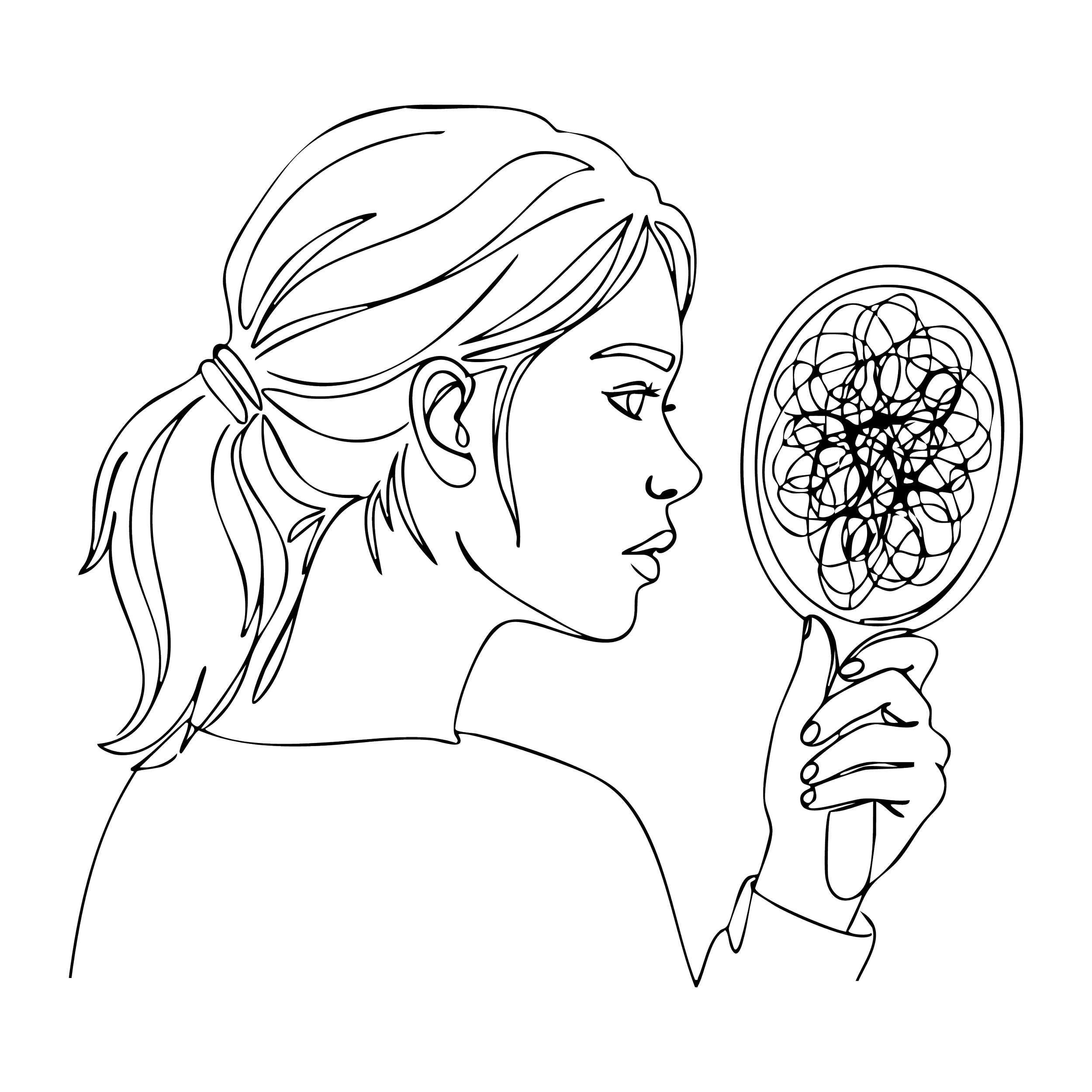
You don’t have to wait until it gets worse to deserve support
Patterns around food, exercise, and your body can gradually become part of everyday life, making it hard to recognize just how much space they’re taking up. You don’t have to wait until disordered eating becomes more severe to ask for help. Getting support early can help you better understand the patterns that are developing, challenge rigid rules around food and your body, and build a more flexible relationship with eating. Working with professionals who understand eating disorders can help you make changes before these patterns take up even more space in your life.
